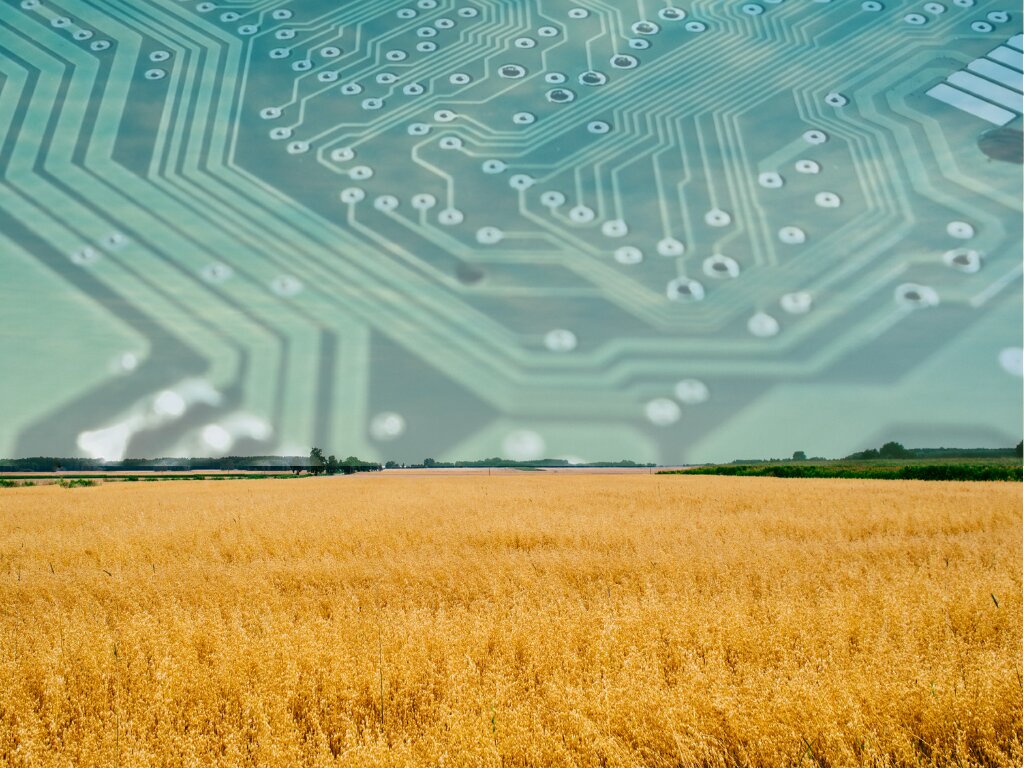
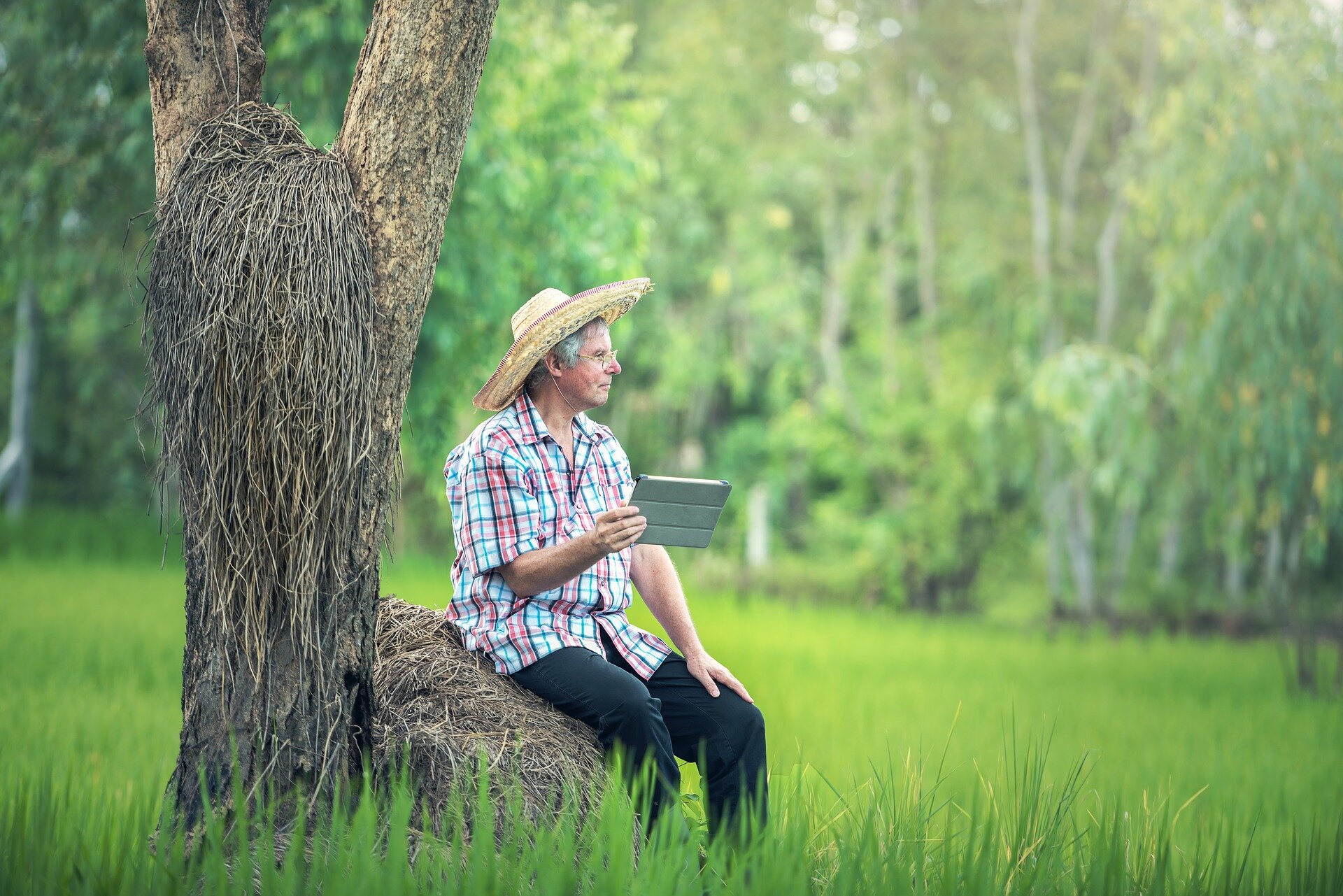
The farmer of the future will have a hoe in the right hand and a tablet in the left hand (myself). I come from a family of peasants, my four grandparents were peasants, as were their parents before them, until the top of the family line. My parents took different ways, but both of them can remember childhood chopped out by the phases of the moon, waking up at dawn with the cockcrow and the good night along with the dusk, the joy for the rain and the rage for the hail, the abundance in summer and the cabbages dug under the snow in winter.
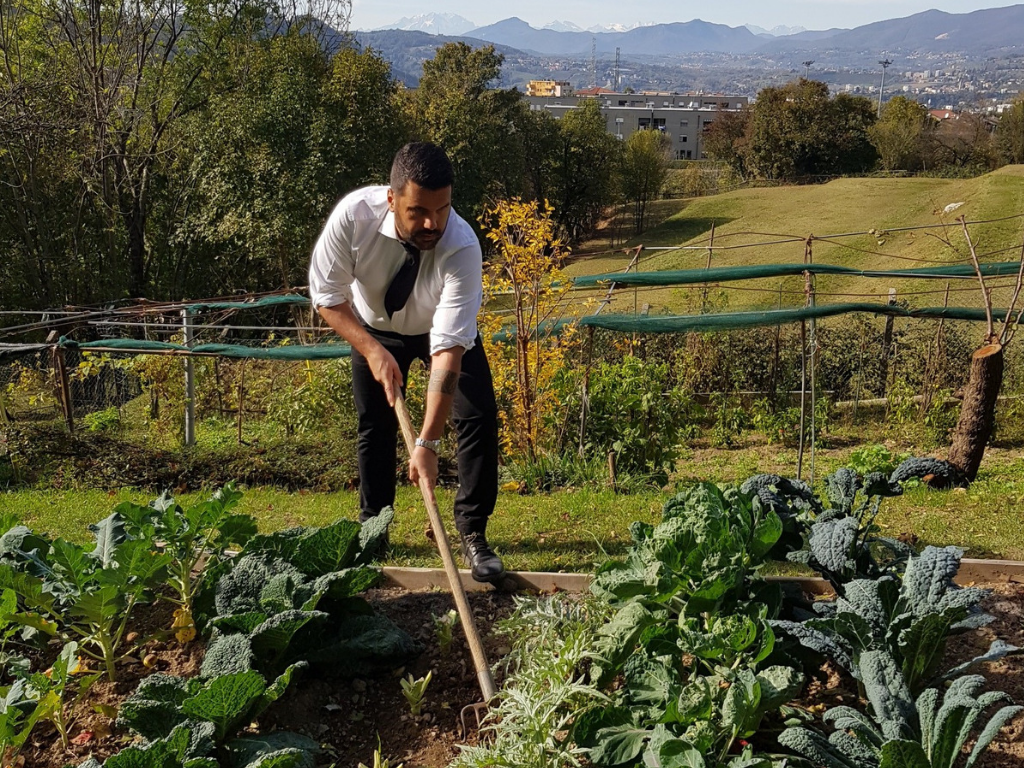
All my grandparents passed away without even owning a mobile phone, so I can imagine their reactions if they read my quote at the top. Even to someone else, it can look pretty fanciful, but I'm absolutely sure it corresponds to the truth. For sure the farmer of the future won’t dress a black tie.. Agriculture, especially intensive agriculture, has always been and actually is the sector with the highest environmental and social impact: the huge need and the waste of water, the indiscriminate use of chemicals, the not-so-transparent farming techniques, the exploitation of workers are just some examples of the price we pay whenever we buy a kg of apple, an olive oil bottle, or a lettuce.THE FUTURE OF AGRICULTURE
How can we reverse this awful trend? Which ways do we have at our disposal, besides willingness, to make agriculture more sustainable and efficient? An immediate solution is of course made available to us by technology and Agriculture 4.0. Precision farming, agricultural sensor IoT, crop management, farming management platforms, blockchain integration, you name it; nearly everybody has heard at least one of these words/phrases in the last 6 months. They show us agriculture is evolving, on a par with the society. They show us agriculture will no longer be just a matter of seed, rain, and hoe, it’s advancing to the integration of internet connection, data management, and farming models. All of them are an active part of the so-called AGRITECH, a main character of AGRICULTURE 4.0. In the nearest future, farmers will check the best times to sow on their phones or tablets, they’ll be able to check if the soil needs water, if it can be convenient to water immediately or look forward to the rain, if a huge hail is expected, when and how to organize harvest, and so on. Through technology, farmers will be able to optimize time and resources, resulting in better yield and harvest. Everybody happy? Yes, obviously. What if I told you the happiest people about this revolution might be the telco and IT behemoths, besides the agriculture colossus of course. You think I'm crazy? No, I'm not. I'm talking about the other side of the coin, the so-called agridata. Think for a while about the huge amount of data and information collected by IoT sensors and processed by the platforms. We are talking about terabytes of meteorological reports, statistics on fertilizer, crops, harvest, yield, etc. Can you figure out how useful these data can be in shaping agricultural models and improving the sector? Can you now figure out how much all of this might cost in the nearest future? For these reasons I'm absolute of the opinion we will watch some real wars by the big companies to grab these data. The approach to the data and its management play an important role in the business model of the different agritech startups. To this proposal, I raked some witnesses by the most promising Italian agritech startups and SME. The questions were: Andrea Cruciani - CEO of AGRICOLUS AGRICULTURE BIG DATA
Matteo Vanotti - CEO of XFARM
Cosimo Calciano - CEO of REVOTREE
Niccolò Calandri - CEO of 3BEE
If you liked this article and you want to express your view about it, leave a comment and share it with your network.